Turning Guidance into Growth
Designed for therapists and supervisors at every stage, these courses bridge theory and practice with ethical, relational, and clinically sound approaches. You’ll gain practical tools, confidence, and clarity to show up as the therapist or supervisor you’re becoming.


About the Trainings
These highly interactive online workshops —part of the Clinical CEO™ series—led by Erlese Caruth, NCC, LPC, CPCS, CCH, tackle the real-world challenges clinicians, supervisors, and practice owners face. You’ll learn practical frameworks that reduce risk, strengthen outcomes, and turn good intentions into repeatable systems—across documentation, ethics, supervision, and everyday practice.
You’ll leave with the exact tools and templates needed to create positive client outcomes, streamline your practice, and supervise with professionalism, clarity, and care—no guesswork.
Interactive
Engage in real-time discussion, not passive lectures.
Practical
Walk away with tools you can apply immediately.
Ethically Grounded
Built on current standards and best practices for supervision.

Enhance Your Clinical Skills in Paradise
Step out of the ordinary and into a training experience designed to shift you into your next level of clinical leadership.
This immersive 30-CE intensive—held on the breathtaking island of St. Vincent & the Grenadines—combines professional excellence with restorative wellness. Crafted for clinicians who are ready to deepen their competence, presence, and confidence as supervisors, this retreat is unlike any CE training you’ve ever experienced.
What You’ll Experience:
Oceanfront learning sessions
Mind-body restoration
Local cuisine + curated excursion
Sunrise grounding
Connection with like-minded clinicians
The clarity that comes when you step outside your daily world
Why I Started...
Watch the video to learn why I use my expertise to train clinicians like you.
Track 1: Become a Supervisor (Certification)
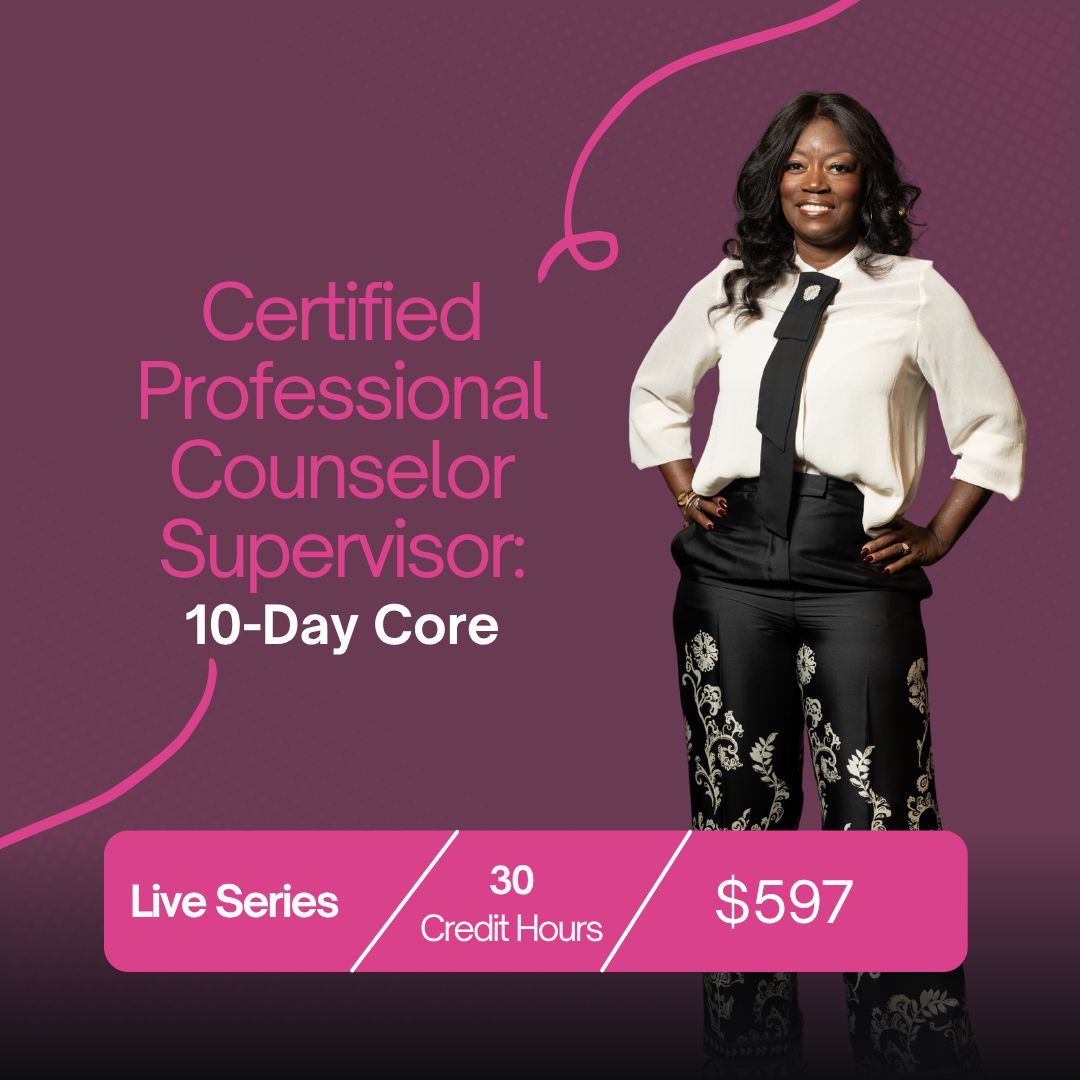
Become a confident, certified supervisor without blocking off a full work week. This CPCS-approved training delivers the full 30-hour requirement across ten evening sessions of three hours each, paced for working clinicians who want real engagement and implementation. You'll leave with: reflection templates, onboarding tools, and a clear path to CPCS certification.
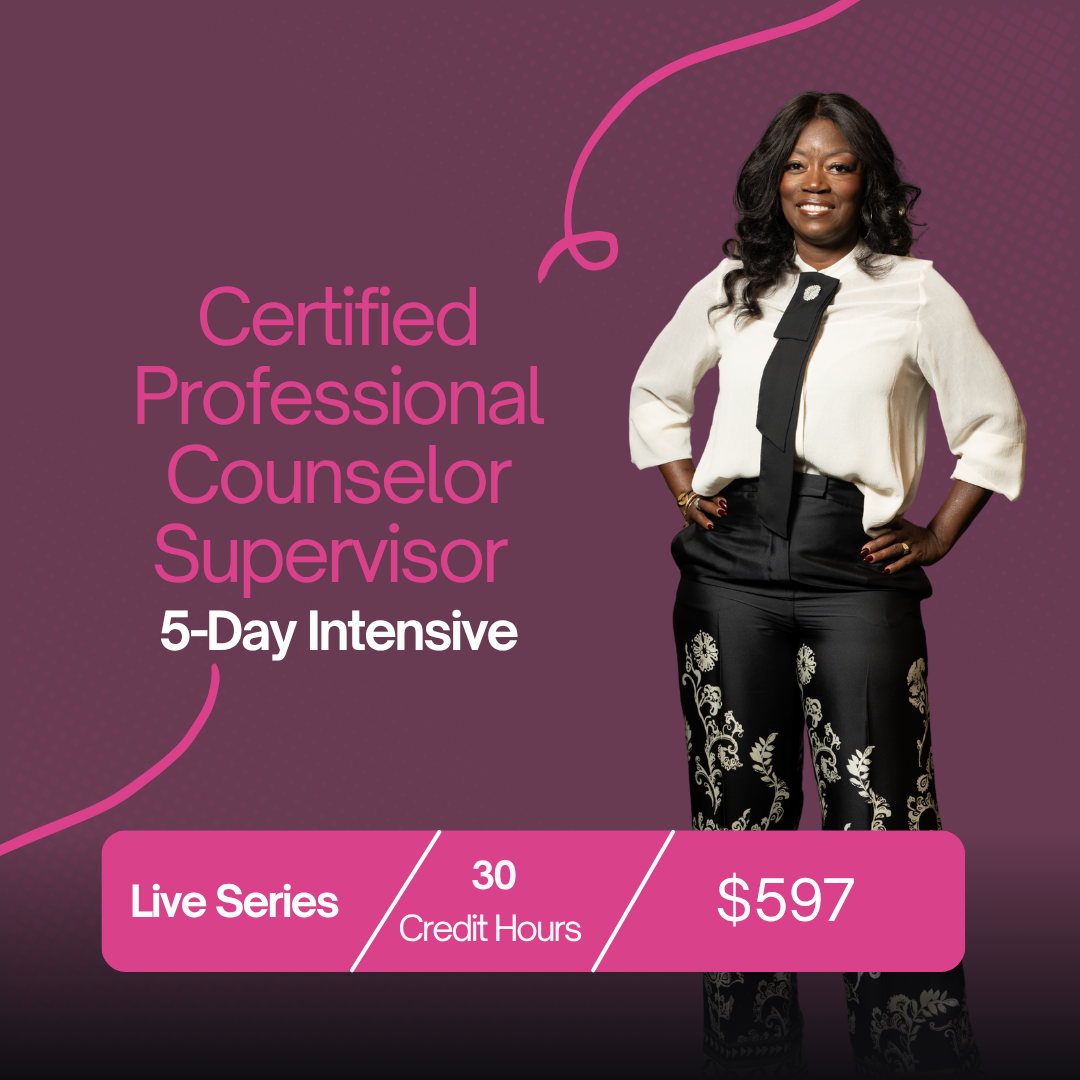
The accelerated path to CPCS certification for clinicians ready to go all in. This live, 30-hour deep dive into the practice, ethics, and presence of supervision meets every requirement to become a CPCS, delivered across five focused days. You'll leave with: a full supervision handbook, templates, real-world scenarios, and a supervisory leadership mindset.
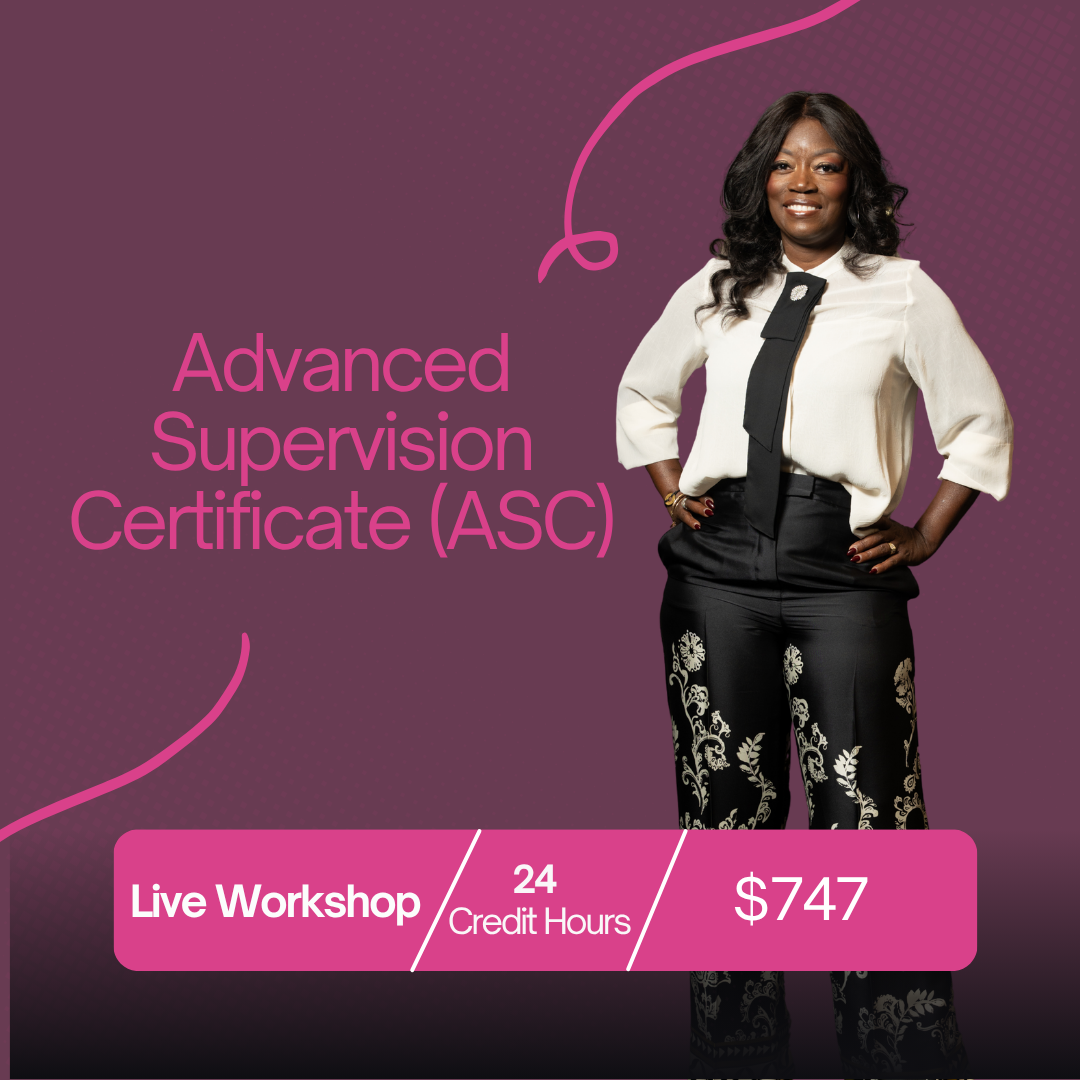
For supervisors who want to practice their skills, not just study them. This competency-based program adds the observed practical lab most supervisors never get, with real-time co-supervision that sharpens your documentation, ethical decision-making, and remediation. It complements CPCS rather than repeating it. You'll leave with: 10 credit hours plus 10 hours of observed practical experience, for a 20-hour competency program.
Track 2: Supervision Skills & Ethics
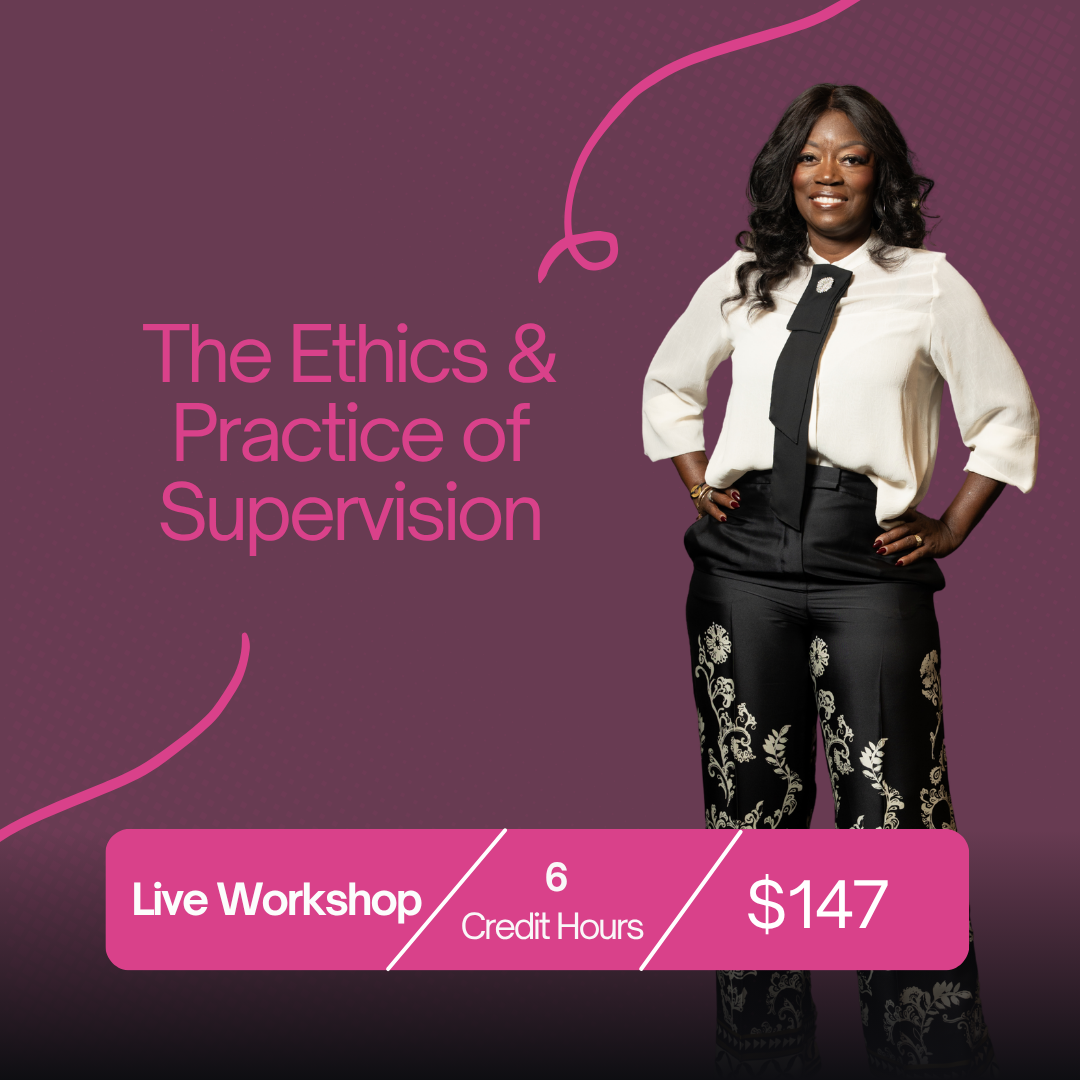
Supervise with confidence, clarity, and competence, minus the overwhelm. This training moves through the full landscape of supervision, from documentation and ethics to clinical presence and feedback, so you can hold the role well and build a system you repeat with every supervisee.
The roles, structure, practice, and relationship every supervisor needs to get right. Build an ethically grounded framework for supervision, learn its core functions, and design a consistent session structure that supports growth and accountability at any level. You'll leave with: a repeatable session structure and a framework for measurable supervisee development.
Turn supervision into a consistent, defensible system. Learn to map your documentation, structure your contracts, and choose the right methods and models for each supervisee, producing records that protect clients and support growth. You'll leave with: a board-ready documentation toolkit and a clear licensure paperwork pathway.
Apply the principles of supervision to real supervisee cases. Distinguish and apply the four supervisory functions, design individualized supervision plans, and deliver structured, behavior-based feedback with clear follow-ups. You'll leave with: a compliant supervision contract packet, board-ready notes, and targeted micro-remediation plans.
Real-world practice over theory, for new and emerging supervisors. This hands-on lab puts you in observed co-supervision sessions, applied labs, and structured integration that strengthen your decision-making, feedback, ethics, and documentation through practice, not lecture. You'll leave with: a practical mini-portfolio, including supervision tools, example notes, and a performance-focused micro-plan.

Navigate risk and gatekeeping with confidence, not fear. Build the guardrails that protect your supervisees, your clients, and your license. You will clarify direct versus vicarious liability, apply five core risk controls to real cases, and practice a five-step ethical decision-making process. You'll leave with: a supervision informed-consent checklist, a group supervision SOP, and a notes-and-logs audit tool.
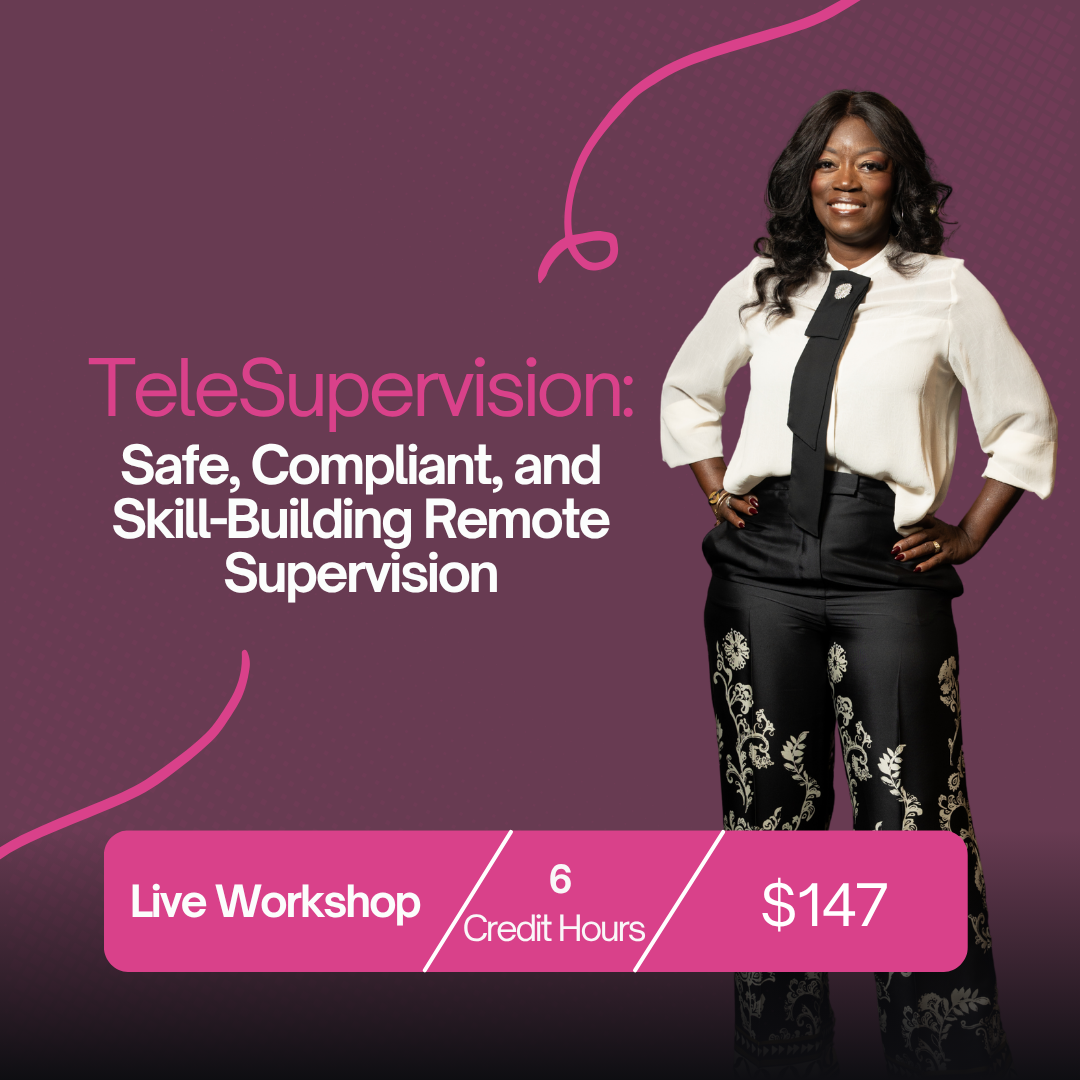
Safe, compliant, skill-building remote supervision. Learn to set tech and privacy standards, screen for tele-fit, use compliant remote observation methods, and practice a structured response for remote emergencies. You'll leave with: a telesupervision consent and addendum checklist and clear protocols for common remote dilemmas.
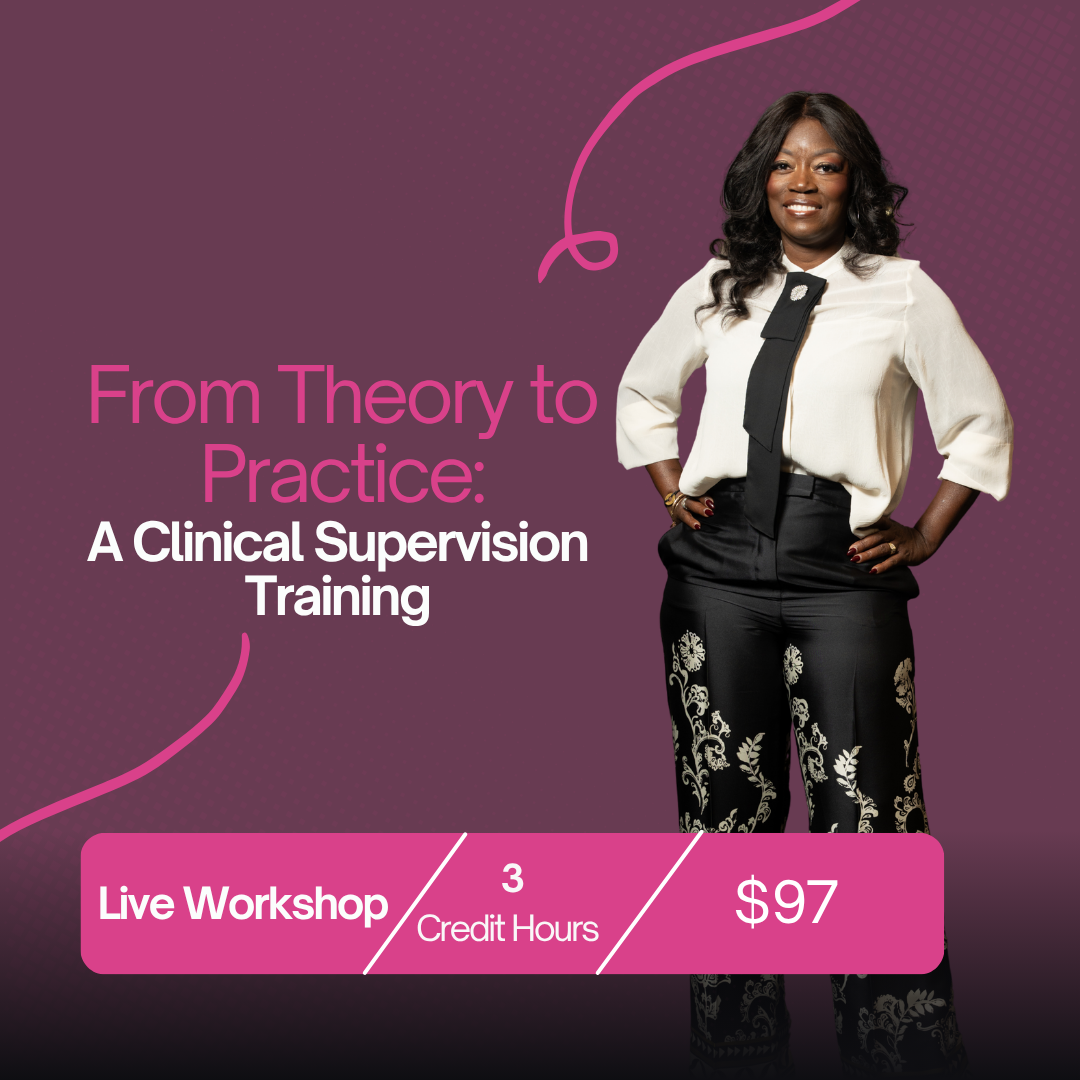
Close the gap between knowing how to supervise and doing it well. Designed for new and emerging supervisors, this hybrid experience starts with a three-hour live training on supervision documentation, methods, models, and ethics, with the option to add individual sessions that apply it in real supervision. You'll leave with: a working method for documentation and models, plus optional applied practice sessions.
Track 3: Clinical Practice & Documentation
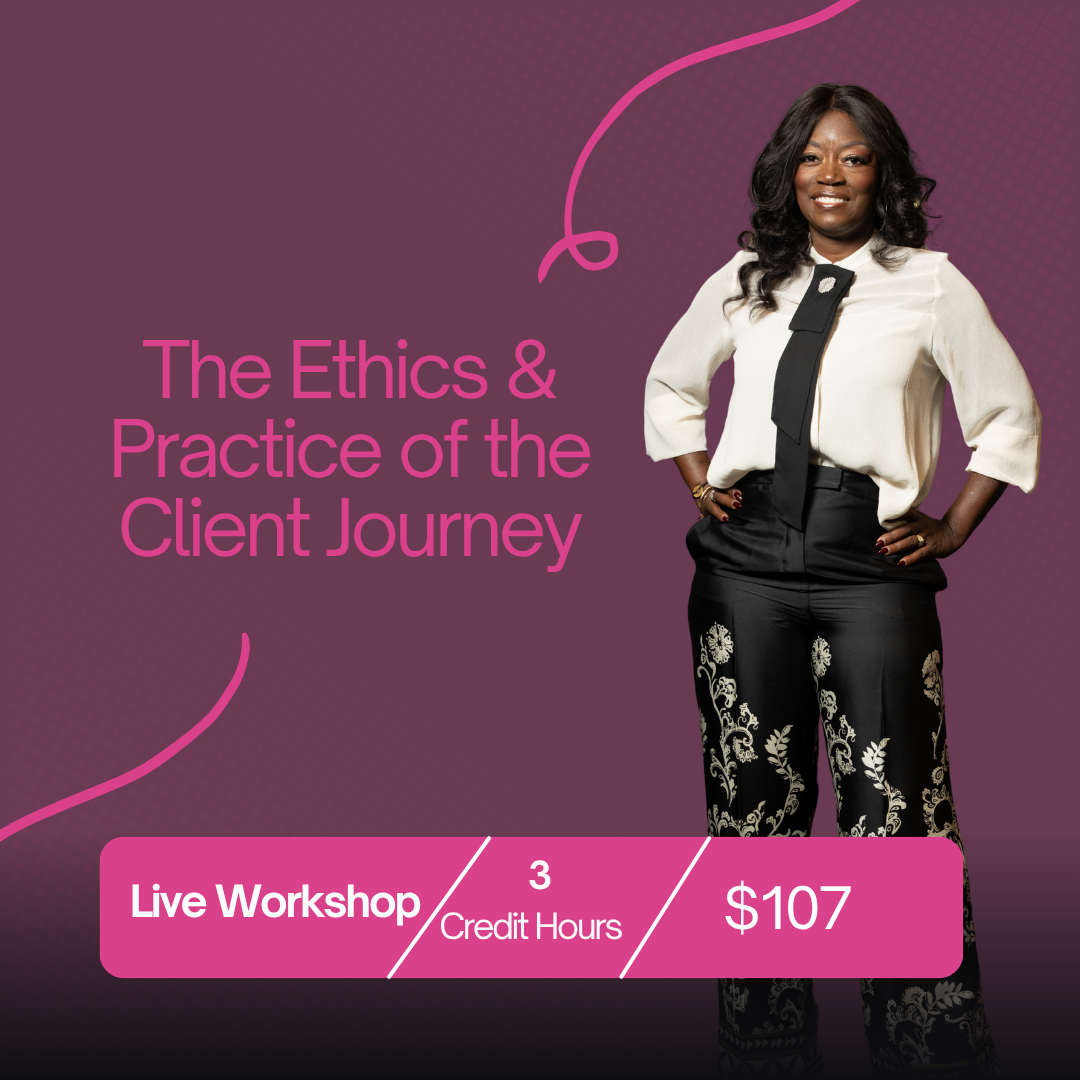
A structured, ethical path from intake to termination. Using the Treatment Flow model, you will gain a relationally grounded framework for the entire clinical journey, with tangible tools to streamline documentation, strengthen client outcomes, and bring clarity to supervision. You'll leave with: Treatment Flow tools you can apply across the full arc of care.
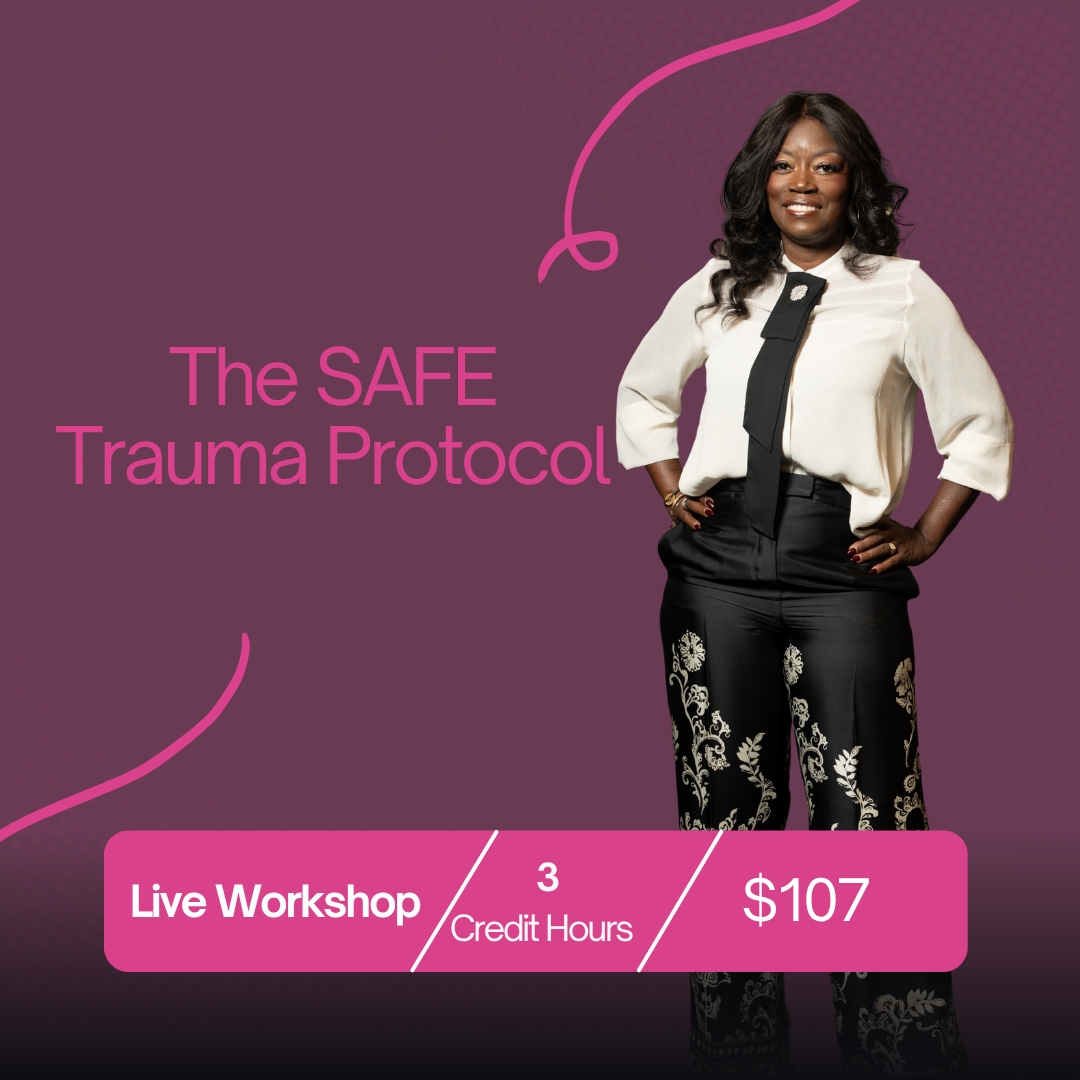
Help clients move from emotional overwhelm to embodied resilience. Learn to support clients in building personalized, culturally grounded safety plans. This is not a one-size-fits-all checklist. The SAFE Protocol is a living framework that helps you track subtle nervous system cues and co-create healing strategies that honor each client's story. You'll leave with: a flexible safety-planning framework you can adapt to any client.
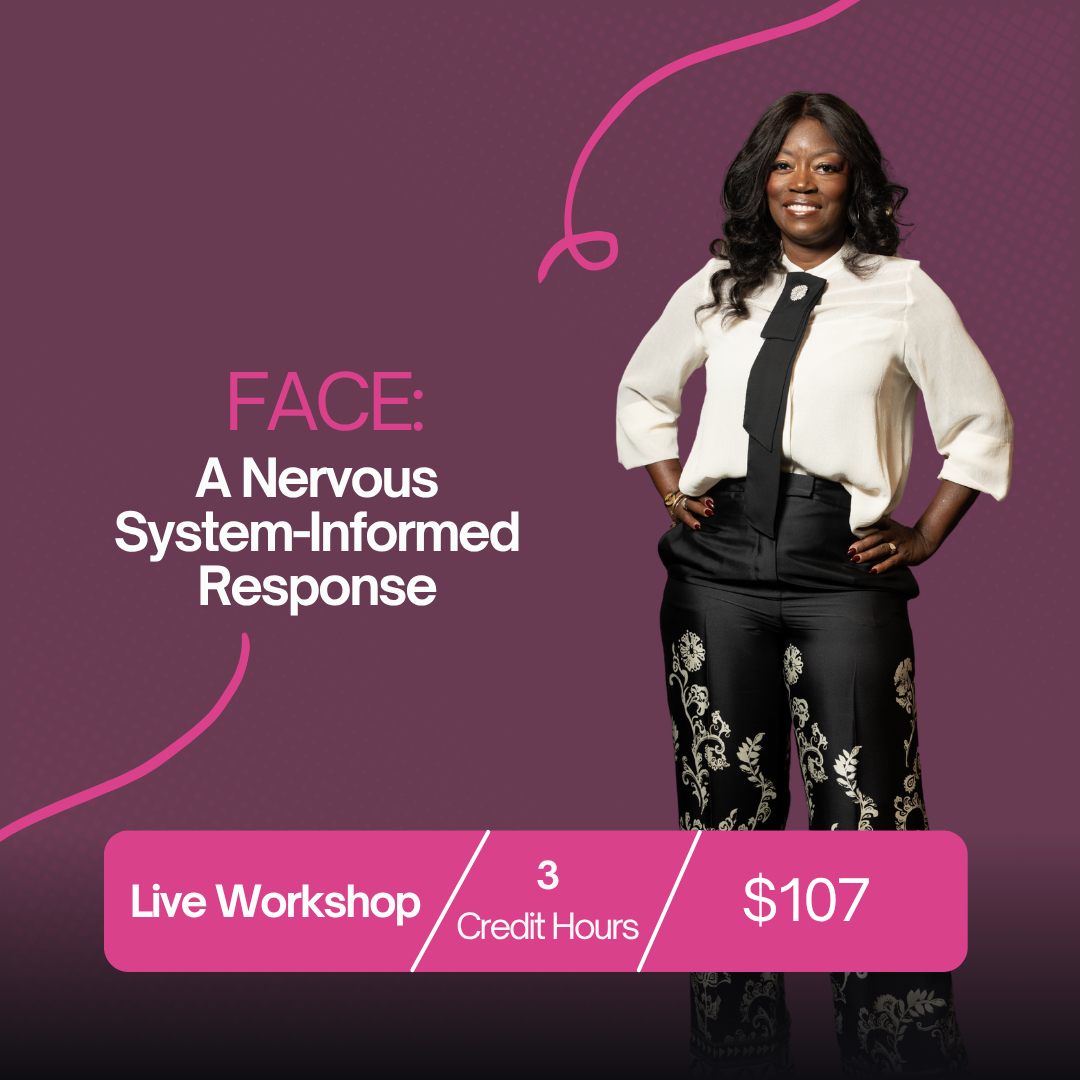
A simple, neuro-informed tool for moving clients from dysregulation to clarity. This training introduces the FACE framework (Feel, Acknowledge, Choose, Engage), which you will learn to apply across clinical presentations while building nervous system literacy. You'll leave with: the FACE model and a practical way to integrate somatic awareness into sessions.
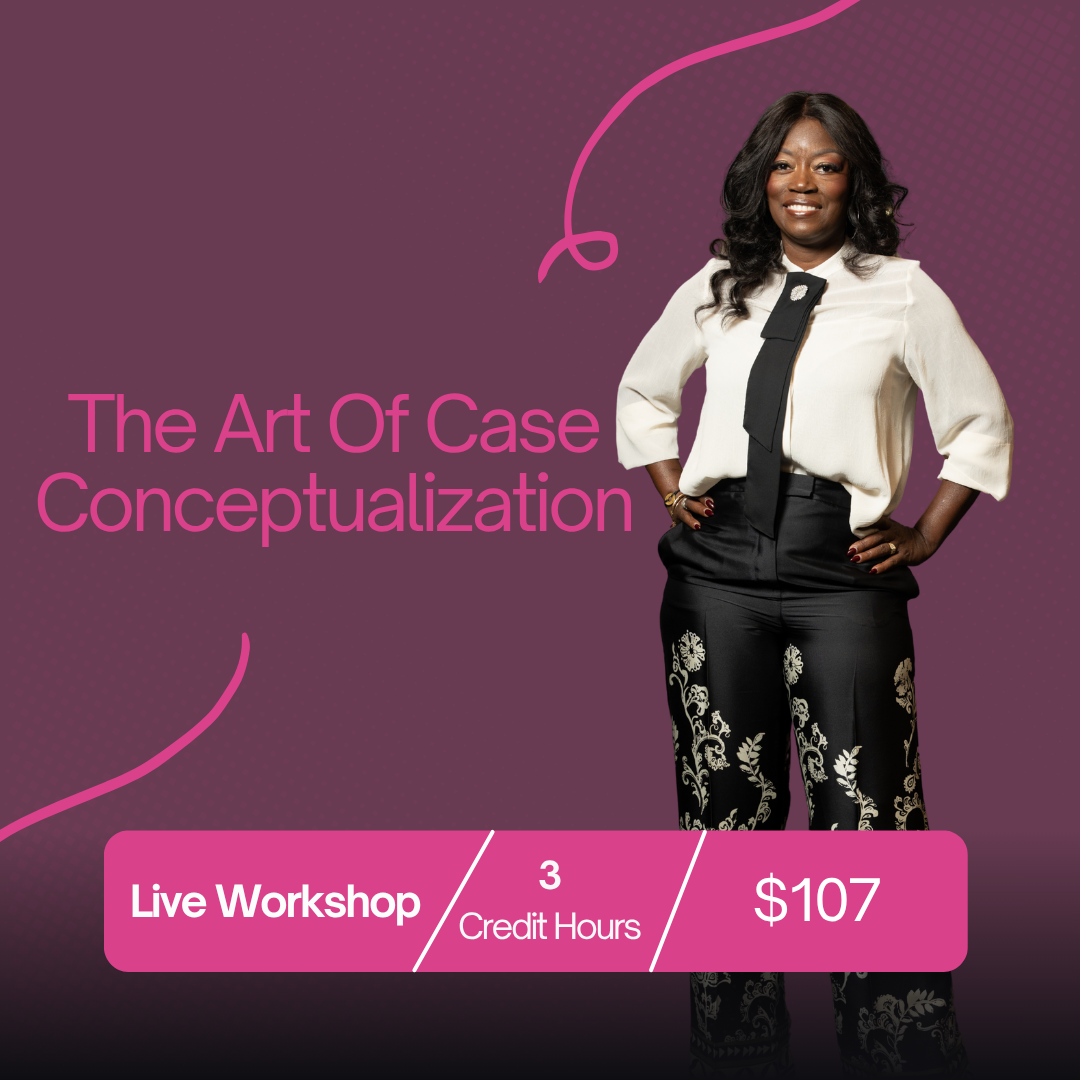
Move from scattered symptoms to a cohesive, compassionate case narrative. Too often, clinicians are taught to fill out forms instead of tell stories. Learn to build conceptualizations that reflect your client's voice, honor your theoretical lens, and guide purposeful treatment.

Write clean, confident notes without second-guessing. Learn to write documentation that is clear, clinically sound, and ethically aligned, reducing liability and sharpening your clinical thinking without perfectionism or paralysis. You'll leave with: a documentation checklist and note templates you can use the same week.
Track 4: Clinical Identity & Practice Building
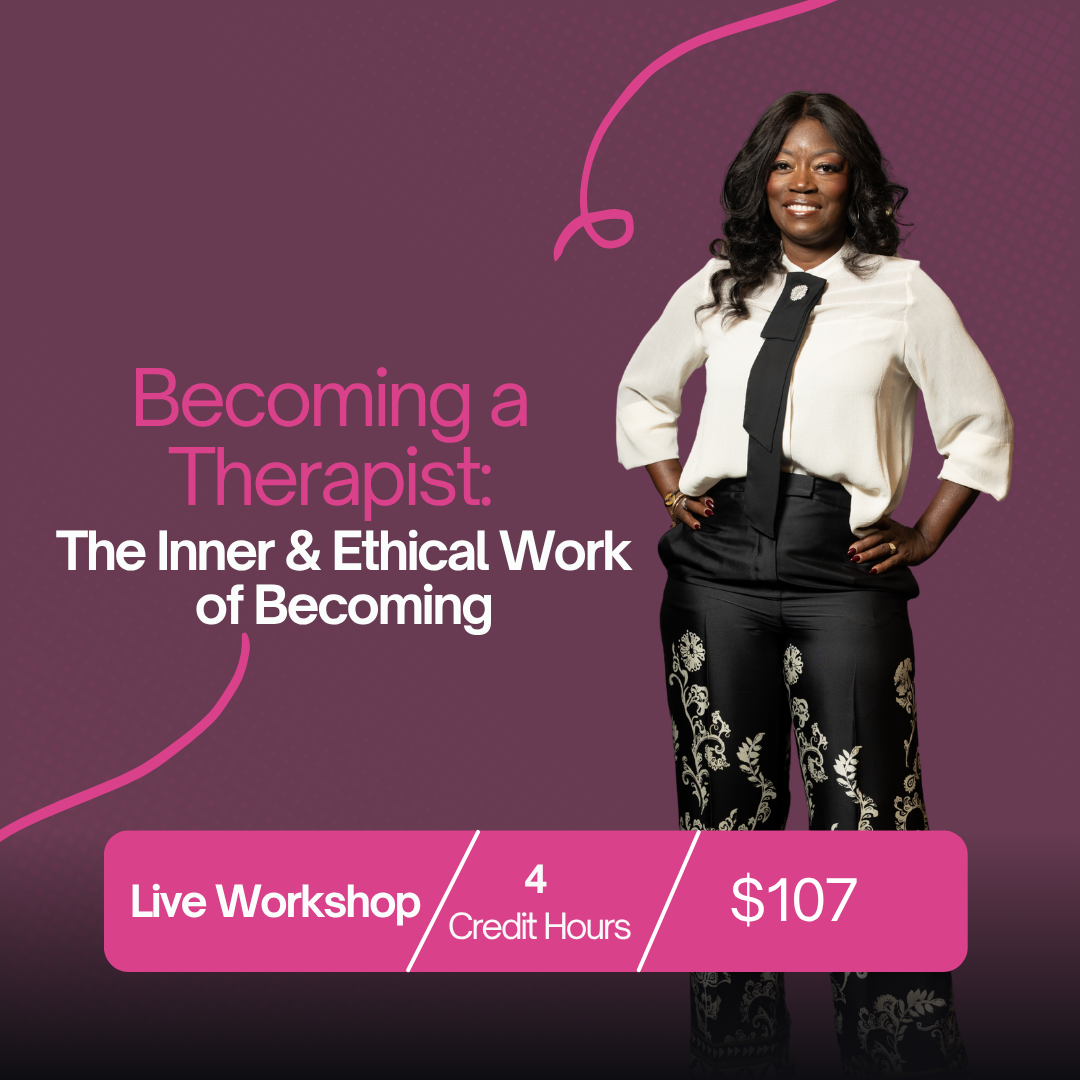
The inner and ethical work of reconnecting with your clinical why. Whether you are just starting out or rediscovering your why, you are always becoming. This reflective, restorative training helps new and seasoned clinicians reconnect with the values, voice, and inner alignment that shape their clinical presence. You'll leave with: a reflective workbook and dedicated space to explore your why.

Share your clinical why with purpose and integrity. In this writing lab, you will explore the ethical art of telling your clinical story in a concise, meaningful way, for your website, your Psychology Today profile, social media, or a supervision space. You'll leave with: a clear, ready-to-use clinical narrative in your own voice.

You do not rise to the level of your intentions. You rise to the level of your habits. This workshop goes beyond clinical theory and into the daily routines, nervous system rhythms, and mindset shifts that create sustainable success. You'll leave with: practical habits and rhythms you can build into your week.

Build a counseling practice that honors your values and actually pays you. This workshop helps you design a career that aligns with your values and respects your nervous system, built for therapists at any stage, especially those launching or navigating a transition. You'll leave with: a workbook and tools to build a practice that supports you.
Frequently Asked Questions
Who are these workshops for?
This workshop is designed for licensed mental health professionals who currently supervise interns and pre-licensed clinicians, or plan to do so. It’s ideal for clinicians seeking to enhance their ethical practice, refine their supervision systems, and establish a pipeline of well-trained therapists.
What's the difference between ASC and the standalone supervision workshop?
ASC is a 20-hour competency program that includes 10 CE’s and a verified portfolio. The Standalone is 6 CE’s focused on observed practice.
When am I eligible to become a supervisor?
You eligible to become a supervisor after 3 years of being a licensed clinician.
How often do I need to renew?
Supervisors need to renew every 2 years to remain certified.
How many CEs/hours do I earn, and what do I submit?
Check each description to determine how much credit you receive.
Will there be an opportunity for Q&A or live interaction?
Absolutely! There’s dedicated time for Q&A, group discussion, and guided activities.
How are live labs structured?
Each 60-minute lab = brief → co-supervision (you lead) → behavior-anchored feedback (BOOST) with SMART next steps → quick documentation drill using our board-ready note template.
Do I need prior experience supervising interns?
No prior experience is required. Whether you’re new to supervision or seeking to refresh your skills, this training provides both foundational principles and advanced strategies.
Do I need current supervisees?
Helpful but not required for the Standalone or live labs—you can use de-identified cases and program case pools. For the ASC’s 10 on-site hours, you’ll need access to supervisees at your practice; we share sourcing guidance and limited match options when available.
Will I receive any materials or tools with the workshop?
Yes! Your registration includes downloadable supervision templates, training tools, and a sample supervision contract.
How is the workshop delivered?
This is a live, interactive virtual workshop delivered via Zoom.
Can I use this training to help build or expand an internship or supervision program at my practice?
Yes! The workshop is designed to provide you with ethical, strategic, and practical frameworks for building a thriving internship program that aligns with your practice values.

Meet Your Instructor
Erlese Caruth NCC, LPC, CPCS, CCH
Erlese Caruth is a Licensed Professional Counselor, Certified Professional Counselor Supervisor, and the founder of A Place for Me Counseling and Therapy Access. With over 20 years in the mental health field, Erlese has trained and supervised hundreds of clinicians across Georgia and beyond.
She specializes in creating structured, ethically sound supervision programs that prepare emerging clinicians for real-world clinical practice. Erlese is passionate about merging clinical excellence with compassionate leadership—building internship experiences that are grounded in clarity, accountability, and support.
As a speaker, educator, and business leader, Erlese empowers clinicians to lead with purpose and develop systems that help their clients—and practices—thrive.
© Copyrights by Erlese Caruth. All Rights Reserved.